How Mobile Auto Glass Repair Works (Step-by-Step Guide)
Learn what a mobile appointment may involve and when shop work is preferable.
1. Describe the vehicle and the damage
A provider may ask for the vehicle make, model, year, exact damage location and photos. This helps determine whether the repair is likely suitable for a mobile visit or whether a workshop assessment is needed.
2. Confirm the job and access conditions
Before a technician travels, confirm the appointment, parking space and work location. Some repairs may be possible outdoors in favourable conditions, but rain, temperature and the requirements of windshield bonding materials can restrict where the work is performed.
3. Technician examines the glass
On arrival, the technician verifies the damage and reviews whether repair remains appropriate. If the crack affects a critical zone or replacement is necessary, the plan and final price may change. Any revised work should be agreed before proceeding.
4. Repair or replacement takes place
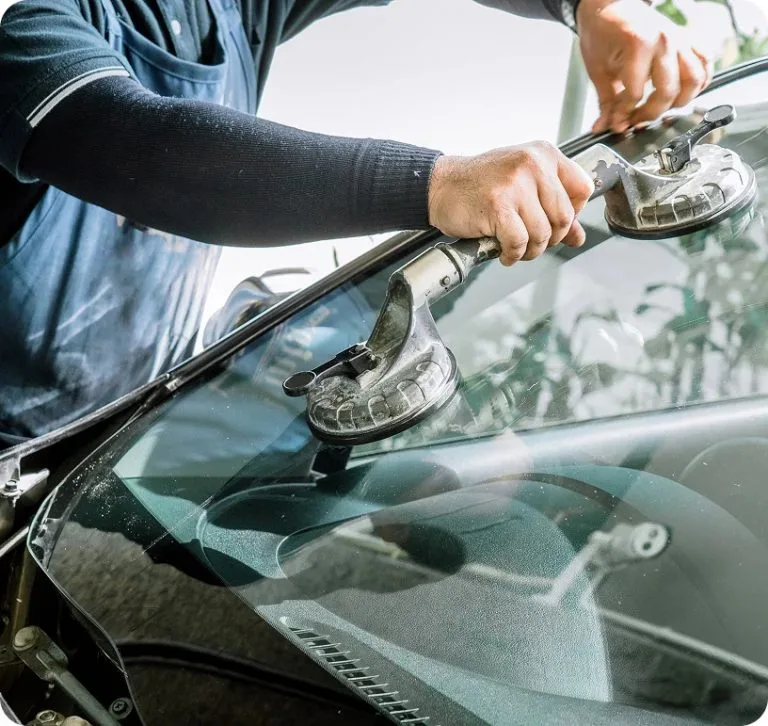
For eligible small chips, a technician typically cleans and fills the break using specialised resin. Replacement is more involved and includes removing the old windshield, preparing bonding surfaces and fitting the correct new glass.
5. Safe drive-away guidance
Replacement adhesive may need a prescribed curing interval before the vehicle is safe to drive. ADAS systems may also require calibration using equipment or procedures that are not available at every mobile location. Confirm the safe drive-away time and documentation with the provider.
Not sure what to do with your windshield?
A professional can review your description and explain what the next step may involve. No payment is required to send your request.