How Weather Affects Your Windshield (And How to Prevent Damage)
Freeze–thaw cycles, road grit and sudden heating can turn yesterday’s mark into today’s repair decision.
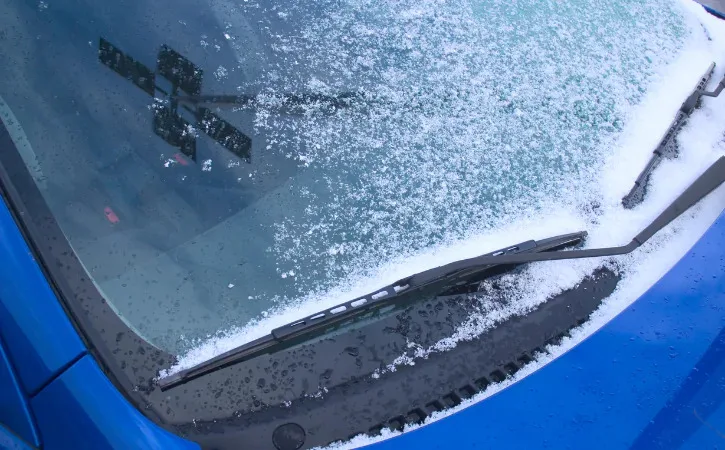
Cold nights and warmer cabins
Glass expands and contracts as temperatures change. On a damaged windshield, the edge of a chip can concentrate stress. This does not guarantee a crack will spread, but freeze–thaw weather and sudden blasts of warm air can make an existing break more vulnerable.
Road debris and wet weather
Winter grit, gravel and small stones kicked up by traffic are frequent causes of windshield chips. Rain can make a fine crack hard to notice, while standing water or slush can temporarily obscure visibility. Keep a safe following distance, especially behind heavy vehicles on roads with loose aggregate.
Summer heat can matter too
A windshield parked in direct sun may become much hotter than the air around it. Sudden cooling from intense air conditioning is another temperature swing. Keep the glass clean so you can identify a new impact quickly, and avoid directing extreme temperature changes at an already damaged area.
Safer maintenance in every season
Clear snow and ice fully before driving. Use the vehicle’s intended defrost settings and appropriate washer fluid. Replace streaking wipers. Do not keep driving when visibility is materially impaired: the applicable rules depend on the province, but clear vision remains essential everywhere.
When weather damage requires a check
If a line grows, branching appears, or the mark enters a critical viewing area, arrange an assessment. A technician considers damage size, position, age and the vehicle’s safety systems when recommending repair or replacement.
Not sure what to do with your windshield?
A professional can review your description and explain what the next step may involve. No payment is required to send your request.